
Carpet cleaning in Melbourne helps prevent allergies that strike at any time of the year, and for many people in Melbourne, home environments contribute significantly to recurring symptoms. Dust, pollen, and pet dander settle in the fibres of carpets and become a hidden trigger for sneezing, itchy eyes, and difficulty breathing.
Although the removal of carpets altogether is an option, it isn’t always realistic or desirable, especially since many homeowners prefer the warmth and comfort that carpets bring. Instead, a strategic approach to carpet cleaning addresses these concerns.
In this article, we will reveal tactics to minimize allergens in carpets, explore the role of professional cleaning services in Melbourne, and provide a simple plan for year-round relief.
Carpets Cleaning for Allergy – The Allergen Reservoir
Carpets act like giant filters on the floor. They capture particles floating through indoor air (everything from dust mites to mold spores) and hold them until routine cleaning or foot traffic dislodges them. For healthy individuals, this accumulation may be a minor nuisance, but for those with allergies or asthma, the stakes are higher. Whenever these allergens become airborne again, they spark symptoms that interfere with day-to-day life.
In Melbourne’s coastal climate, where humidity fluctuates, dust mites and mold may thrive more than in arid regions. Dust mites prefer warm, moist conditions, and mold spores travel easily in the air. Once these organisms find a carpeted surface, they can multiply if conditions remain damp or if thorough cleaning does not happen regularly. Minimizing their presence starts with an awareness of how allergens collect within carpet fibres.
Common Allergy Triggers in Carpets
Dust Mites
Tiny arachnids that feed on dead skin cells. They often accumulate in plush, thick carpets where food sources and moisture are readily available.
Pet Dander
Proteins in animal fur, saliva, or skin flakes cause reactions in sensitive people. Even short-haired pets shed enough dander to create problems for some.
Pollen
Outdoor pollen lands on shoes or pets and then transfers into carpets. Without regular vacuum sessions, pollen remains trapped and eventually circulates back into the air.
Mold Spores
Wet or humid conditions, especially near entrances or basements, create an environment for mold growth. Carpets in such areas can harbour spores that aggravate respiratory issues.
These triggers vary by season. In spring and summer, pollen spikes make life difficult for those with hay fever. During the cooler months, indoor heating fosters dryness, but specific areas of the home might still trap moisture if not ventilated. Thus, continuous attention becomes essential for year-round protection.
Allergy-Focused Carpet Maintenance
A simple yet consistent routine reduces allergen loads in carpet fibres:
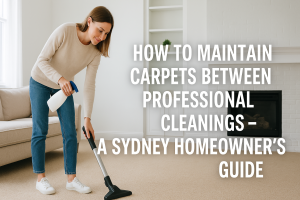
Frequent Vacuuming
Use a vacuum with a High-Efficiency Particulate Air (HEPA) filter, which traps microscopic particles instead of expelling them back into the room. Aim for at least twice a week with additional passes in high-traffic areas.
Spot Treatment
Blot spills quickly with a damp towel and mild detergent. Moist spots left unattended can encourage mold or dust mite growth.
Air Quality Checks
Open windows on dry days to boost ventilation. Consider using a dehumidifier if the indoor humidity remains high, especially in parts of Melbourne near the coast.
Role of Professional Cleaning Services in Sidney
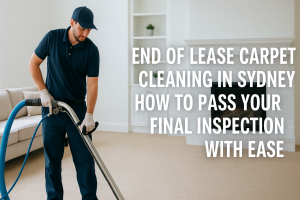
Cleaning services in Melbourne teams provide specialized solutions. Among these options, hot water extraction ranks high for reducing allergens. A powerful machine applies hot water and a cleaning agent, loosening soil and mites before suctioning them out.
The heat destroys many organisms, which reduces their population significantly. This method surpasses DIY attempts because professional carpet cleaning Melbourne specialists can control water temperature, pressure, and extraction rigour with precision.
Alternatively, low-moisture or dry compound methods can help if a short drying time is crucial. For allergy-specific outcomes, though, steam cleaning typically outperforms other approaches, provided the technician completes it properly. If carpets remain damp for too long, mold can grow, so a trusted provider ensures rapid drying through professional-grade extraction and ventilation steps.
Antimicrobial Treatments
Some cleaning services provide antimicrobial or anti-allergen treatments. These solutions target the proteins that cause allergic reactions, which renders them inert or less likely to irritate. They may also slow the regrowth of dust mites or mold. Although these treatments do not cure allergies, they reduce triggers between appointments. Property owners in Melbourne can request an assessment of how these products might help, though it’s wise to confirm that the formula aligns with any personal sensitivities or environmental concerns.
This table compares DIY vs. professional approaches
| Approach | Potential Benefits | Limitations or Risks |
| DIY Steam Machine | Affordable initial outlay and flexible scheduling. | May not reach high enough temperatures. Risk of oversaturation. |
| Vacuum with HEPA | Removes surface particles. It’s an easy routine. | Cannot eliminate deep-set dust mites or mold spores. |
| Professional Steam | High heat kills mites and thorough extraction. | Requires scheduling. Higher cost than a DIY solution. |
| Antimicrobial Agents | Neutralize allergen proteins and protect carpets. | Not a permanent fix. Repeated applications may be needed. |
How To Address Tough Spots
Allergens lodge themselves in corners and edges, so a standard vacuum pass or steam method must include these areas. Crevice tools target skirting boards and the edges under furniture where mites or mold might thrive unobserved.
If a spot looks discoloured or smells damp, do not ignore it. Quick spot checks and moisture control interventions are wise measures. If the problem persists, a specialized provider can inspect for mold infiltration under the carpet pad or subfloor.
Conclusion
Allergies can create year-round frustration, but a cleaner indoor environment relieves much of that burden. Carpets, despite their soft and welcoming nature, harbour dust mites, pollen, and other triggers that irritate sensitive respiratory systems.
Regular vacuuming with a HEPA filter, well-timed deep clean appointments, and optional antimicrobial treatments from cleaning services in Melbourne vendors can cut down on allergen loads. With the right schedule, a focus on moisture control, and the upgrade of old habits, Melbourne residents strike a balance between enjoying the cosy feel of carpets and breathing more freely at home.