Modern living in Melbourne evolves constantly, and the cleaning industry follows suit. Technology, environmental concerns, and changing consumer habits are pushing carpet cleaning approaches in fresh directions.
For individuals interested in the next wave of solutions, looking at the innovations happening now reveals what might become standard practice in the coming years.
In this article, we will cover carpet cleaning innovations in Sidney, including what the future will look like.
Technology That Optimizes Efficiency
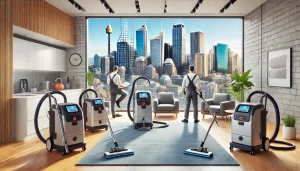
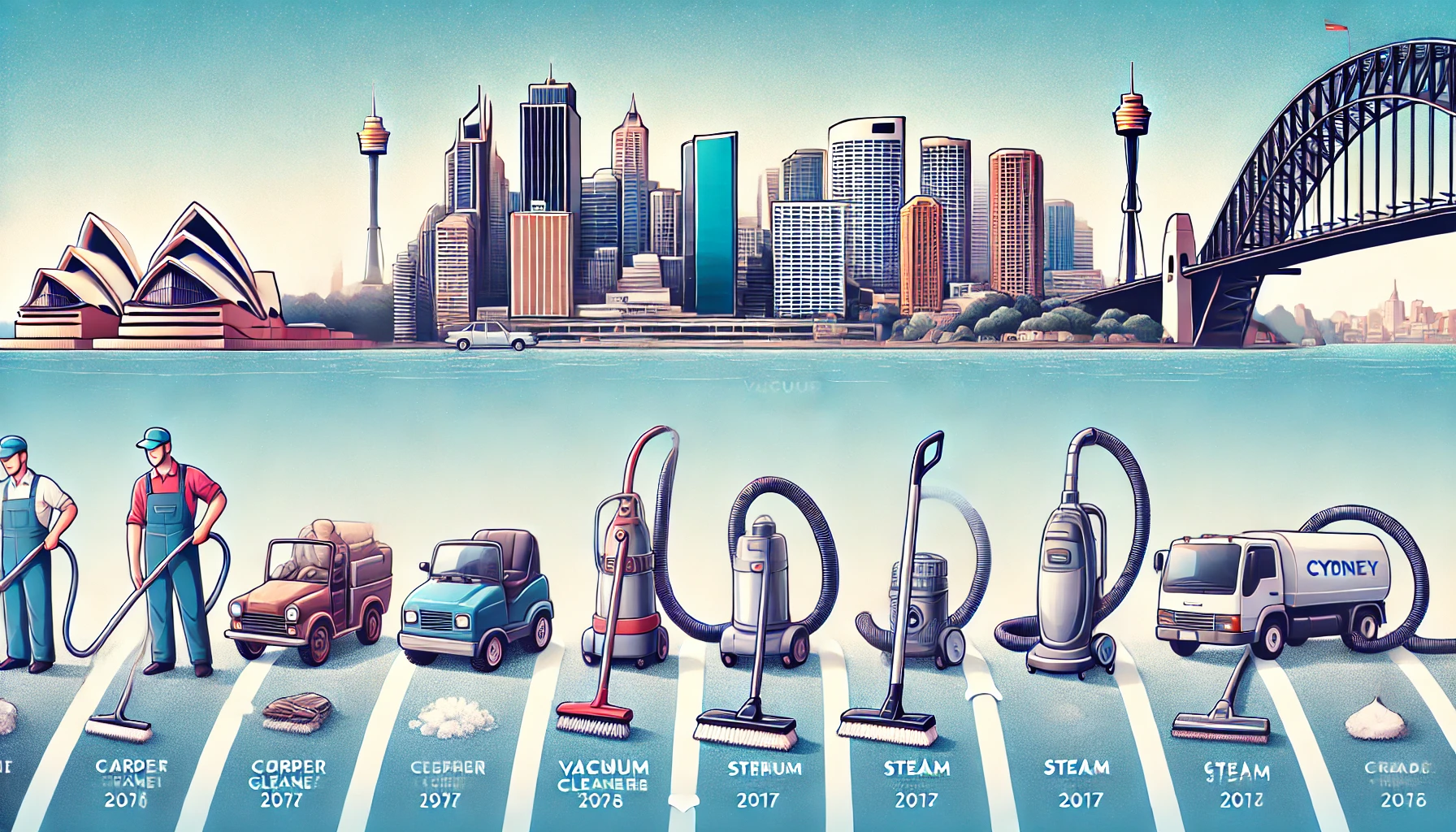
Professional carpet cleaning Melbourne providers once relied solely on portable steam machines or dry compound techniques with few variations. Times have changed. Contemporary companies now use advanced equipment with sensors that measure humidity, temperature, and soil levels on the fly.
This real-time data helps adjust water flow and suction strength, reducing the risk of overwetting or incomplete cleansing. By automating certain settings, the operator achieves consistent outcomes that please clients in both homes and offices.
Robotics and Automated Systems
Self-guided vacuum robots for home use have increased in popularity. While these devices are not a direct substitute for professional teams, they do a credible job of routine maintenance, especially on thinner carpets. Some commercial providers test larger-scale robotics for big venues, such as hotel hallways or conference centres.
These machines handle surface debris day to day, freeing personnel for specialized tasks. Although full-scale robot cleaners are still in trial stages, certain tech-forward businesses foresee a future with autonomous cleaning runs at night.
Eco-Conscious Product Development
Advanced detergents rely on more than superficial scents or heavy chemicals. Formulations that use enzyme technology or oxygen-based boosters effectively break down stains from coffee, wine, or pet mishaps without saturating fibres in artificial substances.
These products degrade quickly and leave fewer residues, so customers no longer experience the chemical haze sometimes associated with older methods. Many forward-thinking cleaning services in Melbourne companies adopt these materials to demonstrate a commitment to sustainability.
Encapsulation Methods with Precision
Encapsulation involves a polymer solution that attracts and holds soil particles together, turning them into a dry residue easily removed by vacuuming. Early versions of encapsulation had limitations, such as partial residue and patchy results. Newer chemical blends produce microscopic crystals that are more uniform and do not cling stubbornly to fibres. This makes ongoing maintenance simpler. Once an encapsulation treatment finishes, daily vacuum passes by the homeowner or building staff to remove leftover crystals.
Internet of Things (IoT) for Scheduling and Maintenance
Some large businesses in Melbourne embed sensors in carpeting or place them in strategic points around the premises. These sensors track foot traffic and measure dust accumulation. The data then triggers an alert when conditions reach a threshold, indicating that a cleaning service would be beneficial.
Instead of following a fixed schedule, property owners adopt a data-driven approach that saves money and yields carpets in better shape. At the residential level, connected vacuums or air quality detectors might soon become more common.
This table compares traditional versus carpet cleaning innovations:
| Tool/Method | Traditional Approach | Futuristic Upgrade |
| Steam Extractors | Manual adjustments for water temperature and flow. | Smart extractors with sensors that auto-regulate based on carpet depth. |
| Dry Compound Spread | Mixed by hand. Vacuum after dwell time. | Encapsulation with polymer crystallization for easy vacuum removal. |
| Scheduling System | Fixed intervals (monthly, quarterly). | IoT-based alerts triggered by real-time foot traffic data. |
| Chemical Formulation | High-VOC detergents. Generic stain removers. | Enzyme-based or nano-level solutions targeting specific contaminants. |
Personalized Stain Removal Kits
A one-size-fits-all approach commonly fails to address unique carpet materials or stain types. Some forward-looking companies sell custom kits with instructions tailored to a homeowner’s particular rug composition: wool-blend, synthetic plush, or loop pile.
The kit might include small vials of specialized enzymes for coffee or pet urine. This convenience saves the customer from searching local stores for the right combination of products. It also reinforces a brand’s expertise when small emergencies arise between professional treatments.
Data-Driven Recommendations
Just as wearable devices track personal fitness, floor sensors combined with environmental data form a profile of how quickly carpets accumulate dirt. Over time, patterns emerge: a corridor near a busy entrance soils faster than a rarely used guest room.
A cleaning service that logs these patterns can propose a customized schedule rather than guesswork. This level of personalization leads to more precise budgeting for commercial clients and extends the carpet’s life by preventing overcleaning or neglect.
Challenges to Widespread Adoption
Despite the appeal of new technology, barriers remain. Some robotic solutions cost more than traditional labour, especially for small businesses. IoT sensors and advanced software require an upfront investment in hardware and an ongoing subscription for data management.
For purely aesthetic issues, a manager may not see the point in paying for cutting-edge solutions that solve a problem a basic steam clean already addresses. The path forward likely involves gradually lowering the cost of advanced gear and demonstrating real-world ROI.
Environmental Gains
Eco-forward and tech-driven approaches commonly reduce water and chemical use. Automation that carefully measures water flow prevents waste. Sensors can ensure a single pass is enough in lightly soiled spots.
Data analysis helps a company detect inefficiencies in daily operations (e.g., the reuse of grey water for certain rinses). Each improvement may appear small in isolation, but collectively they cultivate a more sustainable carpet cleaning environment that aligns with Melbourne’s push to remain a green, livable city.
Potential future innovations:
- AI-Powered Stain Recognition: A camera or app that snaps a photo of a spill, identifies the composition, and advises the best solution or technique.
- Self-Cleaning Fibers: Engineers explore carpet textiles treated with nanoparticles that repel dirt and kill bacteria on contact.
- Augmented Reality Maintenance Manuals: A phone or tablet that, when pointed at a stain, overlays step-by-step removal instructions.
Conclusion
Carpet cleaning traditions stretch back decades in Melbourne, but carpet cleaning innovations are reshaping the norm. Automated extraction machines, eco-friendly solutions, remote consultations, and data-driven scheduling are all part of a modern revolution.
While not every innovation suits every property, awareness of these trends empowers consumers to ask better questions and choose more efficient solutions. As equipment costs drop and acceptance grows, more Melbourne homes and businesses will likely opt for these game-changing approaches, creating a future where stains vanish faster, budgets stretch further, and floors remain fresher for longer.